Recetia Studio: the real cost of a dish starts with yield loss
Josep Castells, , 2 min read
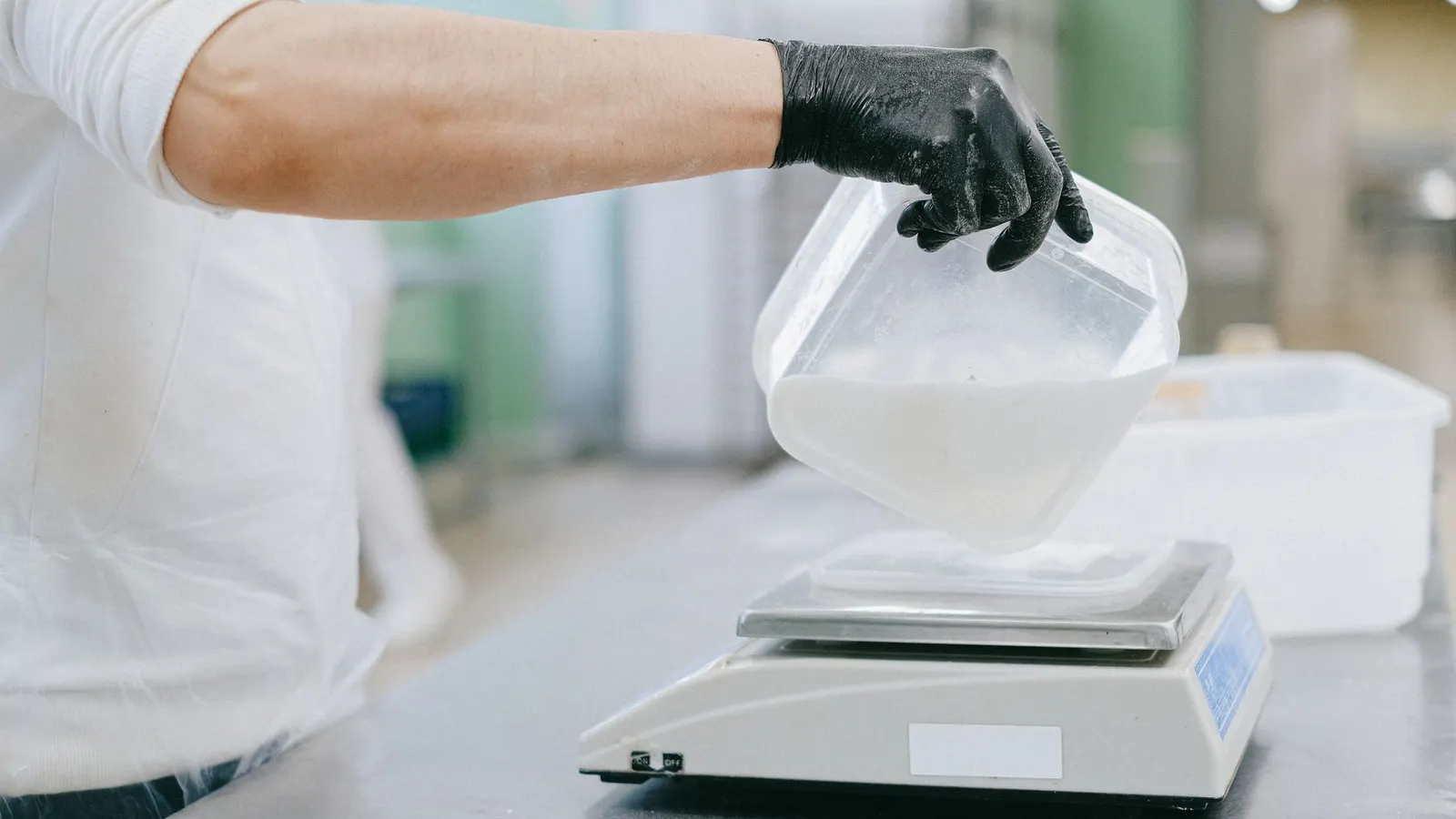
100 g of roasted mushroom is about 190 g on the invoice. This is how Recetia Studio calculates the cost per portion from the purchase weight.
100 grams of roasted mushroom on the plate is about 190 grams of raw mushroom on the invoice. If you cost a recipe from the cooked weight, you come up short by almost half. That difference, the yield loss, is the starting point of Recetia Studio, the tool I am developing for professional kitchens.
What you pay for is not what you plate
Each ingredient loses weight in a different way: peeling, trimming, water evaporating in the oven, fat left behind in the pan. A recipe costing that starts from the weight on the plate gives a lower cost per portion than the real one, and a menu price that does not cover what you think it does.
Recetia Studio starts from the purchase weight. It applies the yield of each cooking method to each ingredient, spreads the cost per portion, sorts the recipe costing by weight on the plate and tells you what menu price you need to hit your food cost target.
What is underneath
The calculation relies on an engine with data on 1,506 ingredients, 22 cooking methods and 12 sensory dimensions (six for taste and six for aroma), projected before and after cooking. On top of that engine, Studio offers eleven simulations that run separately, each with its own breakdown:
- Cost and margin: cost per portion including yield loss, and margin against your target price.
- Menu balance: intensity arc, redundancies between courses and balance of the full menu.
- Substitution: substitutes for an ingredient by sensory affinity, not by category.
- Time and scaling: timings, batches and adjustments when moving to more portions.
- Carbon footprint: CO₂e per portion and out-of-season ingredients.
The rest analyse the whole dish, each ingredient and each method, and how compatible it is to chain two methods. Each simulation shows its progress live, is saved and can be compared with another variant of the dish or exported.
What is an estimate
Studio's prices and carbon footprint are estimates calibrated to compare and rank options against each other: they help you choose between two versions of a dish, not serve as a market price or as data for a label. Seasonality is calibrated for a Mediterranean climate.
I say so on the page and I repeat it here because, in a professional tool, knowing what is a measurement and what is an estimate matters as much as the number.
What it does not do
Recetia does not write recipes with AI. It calculates from ingredient and method data, and the reasoning behind each result can be reviewed. Nor is it a recipe book or an app for cooking at home: it is a working tool for kitchens that set their menu by the numbers. If you want to know how the engine is built, I explain it in the Recetia project.
Where it stands
Recetia Studio is in private beta and under active development. The price is not public: we discuss it after a demo, in which we look at your menu and whether Studio fits your kitchen. You can request one in Restaurants, where you will also find the booking and customer service offerings for restaurants.