Solutions · Waste and recycling
AI for those who collect, recycle and recover
Pickup requests and incidents are answered by phone or WhatsApp, in Catalan and Spanish. Scheduling, customer notices and the data you copy by hand today go out on their own, and every permit is found with its source.
Video: Kelly, on Pexels
What this page covers: Pickup requests, Incidents, Catalan and Spanish, Customer notices, Several sites and routes, Permits with the source, Parts in inventory, Hands over to a person
A full container nobody writes down, a call nobody picks up, a document nobody can find. Each one costs a trip, a customer or a morning.
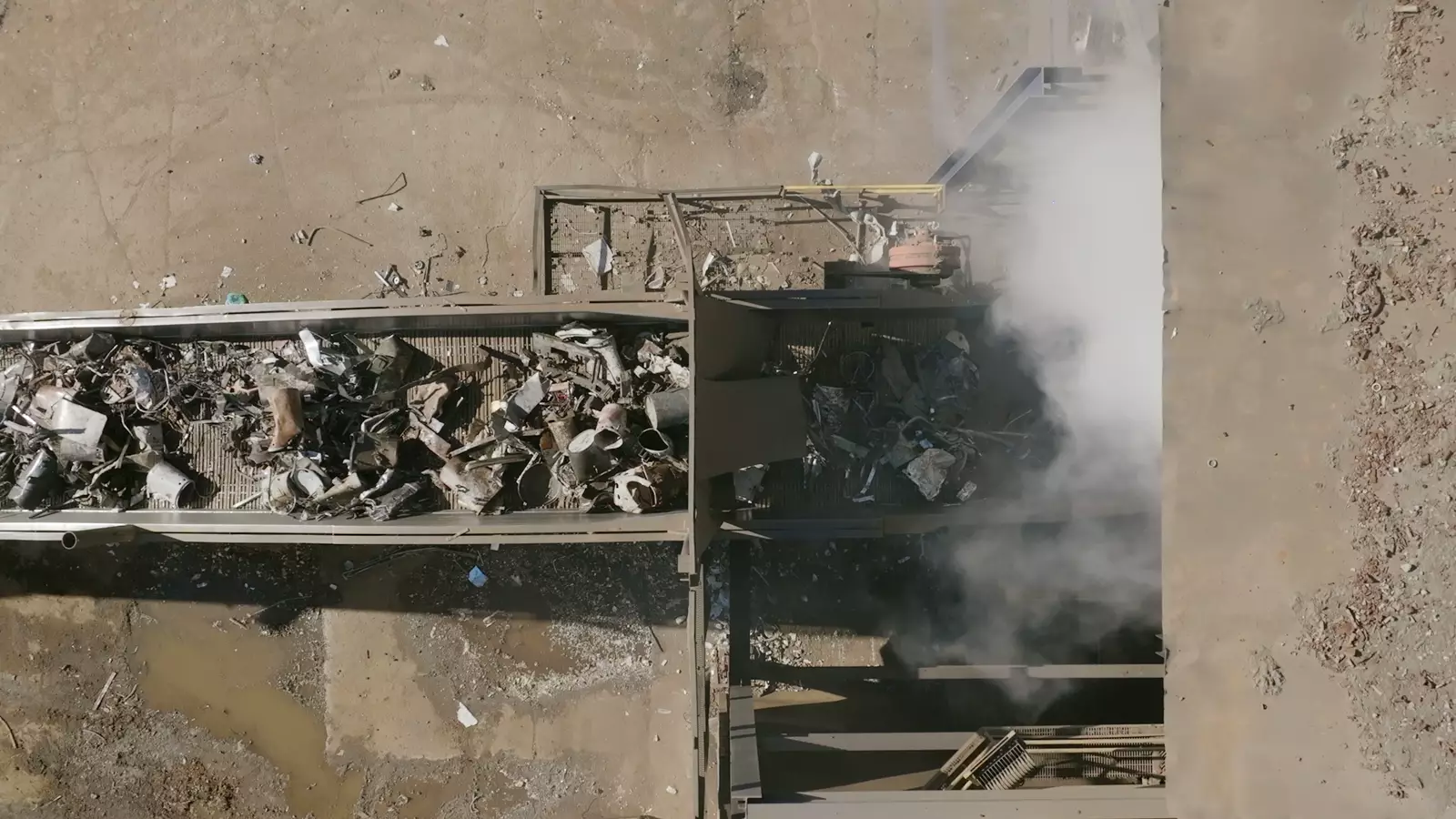
The route of one pickup
From the customer's call to the panel, without a notebook in between
Three stops, each with what it costs today, what we automate and how it shows in the business.
- 01 · AI agent
The request gets in, even when nobody can answer the phone
- What it costs today
- The driver is on the road and the office is on the phone with another customer. The pickup request or the incident ends up in voicemail, or on a note that never arrives.
- What we do
- An AI agent answers the phone or WhatsApp in Catalan and Spanish, takes the address, the type of waste and the incident, and logs it. If it does not understand or the customer asks, it hands over to a person or takes a note and lets you know.
- How it shows
- No request depends on who was in the office, and the team starts the day with the full list.
- 02 · Automation
The pickup gets scheduled and the customer knows
- What it costs today
- Every pickup is typed into the calendar by hand, confirmed by phone and called about again when the customer asks when you are coming.
- What we do
- One to three flows, chosen in the assessment: the request goes into the calendar you already use, the customer gets the confirmation, the team gets the notice and the pickup's data lands where it is copied by hand today. Each flow is documented on one page.
- How it shows
- Fewer «when are you coming?» calls and less data copied from one place to another.
- 03 · Custom system
Several sites and routes, in one panel
- What it costs today
- Each site keeps its own spreadsheet, and finding out how the week is going means calling each one.
- What we do
- A custom system with a web panel: requests, pickups and reports per site and period, connected to your current software through its API. Delivered in phases, with a demo at the end of each.
- How it shows
- Decisions are made with every site's data in front of you, not the last caller's.
AI for companies
Permits, contracts and regulations: ask, and get the answer with its source
Can we store lead batteries in unit 2?
Searching your documents…
- 1 Site permit · storage conditionsHazardous waste shall be stored only in the covered area marked on the plan…
- 2 Site plan · current revisionCovered hazardous waste area: unit 1, north side…
- 3 Material intake procedureWeighing, visual inspection and logging of the delivery…
According to the permit, only in the covered area on the plan, which is in unit 1. Unit 2 is not listed as a hazardous waste area.
12
Example with made-up documents. The assistant answers with what your documents say, cites where each fact comes from and says «I can't find it» instead of making things up. It does not replace your adviser.
It only searches the documents each person is allowed to see, in Catalan and Spanish. It is measured against your own real questions before it goes live.
What AI for business includesComputer vision · Laboratorio
Counting what passes in front of a camera
The Laboratorio has a detector that runs in your browser: it recognises everyday objects, follows them from frame to frame and counts them when they cross a line. It is an example of what a camera could do at a weighbridge or an entrance.
- It follows each object across frames and counts it once when it crosses the line.
- It runs on the device: the images never leave it.
- It can blur the people in the picture.
It is a general model, trained on everyday objects such as cars, trucks or bottles. It cannot tell your materials apart: that would take images of your own, and if it makes sense it is looked at in the assessment.
Try the Laboratorio detector
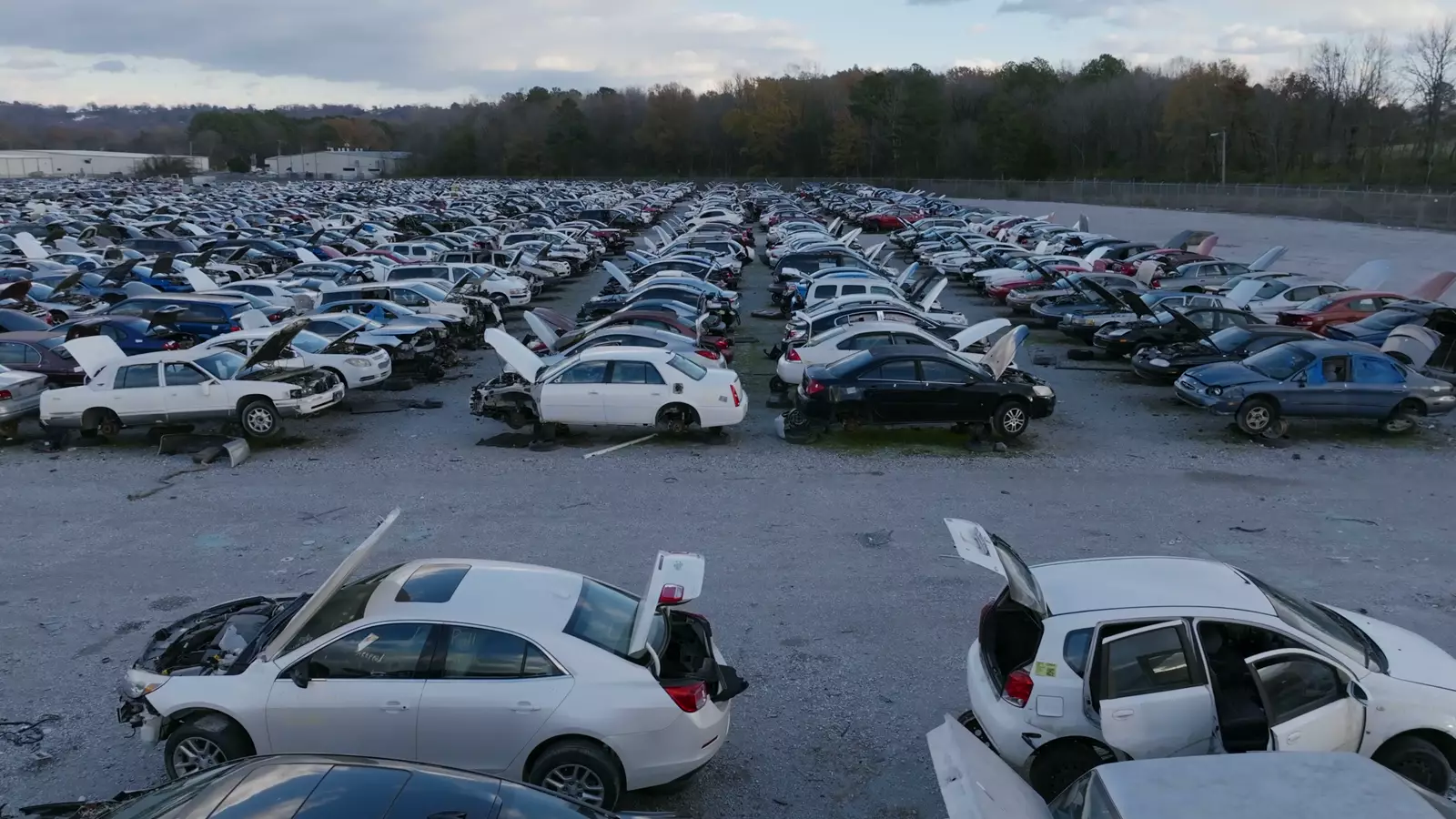
Scrapyards and authorised treatment facilities
«Have you got the part for my car?», answered against what is in the yard
It is the question you hear most, and every time someone has to stop what they are doing, check the software and call back. An agent answers it by phone or WhatsApp with the real inventory, reserves the part and lets the team know.
WhatsApp · part enquiry
- Customer: Bon dia! Teniu el retrovisor dret d’un Seat Ibiza del 2012?
Inventory lookup
- Right-hand mirror
- Seat Ibiza · 2012
- 1 in inventory
- Shelf B-14
- Agent: Sí, en tenim un. Te’l reservo fins demà a les set?
- Customer: Sí, si us plau. Passo al matí.
- Part reservedNotice to the counter: reserved for tomorrow
AI agentCustom system
Answers against the real inventory
The agent checks your management software before it replies: if the part is not in the inventory, it does not offer it as available.
- Phone or WhatsApp, in Catalan, Spanish and a mix of both.
- Hands over to a person when it does not understand or the customer asks.
- Panel with the day's enquiries, the reservations and pending notices.
Automation
Quotes, reservations and notices that go out on their own
The steps done by hand after every enquiry today, turned into automatic flows.
- Sending the quote for the part with your details.
- Reservation with a confirmation to the customer and a notice to the counter.
- A notice to the team when a reservation or a cancellation comes in.
AI for companies
The vehicle and waste paperwork, with the source
An internal assistant that answers about your documents citing where each fact comes from, and says «I can't find it» instead of making things up.
- Certificates of destruction, waste transfer identification documents and internal procedures.
- Respects who can see what.
- Tried with 3 to 5 people on the team before it opens to everyone.
To answer with the inventory, your management software needs an API or a data export. We check it in the assessment.
«Centro autorizado de tratamiento» and «certificado de destrucción» are the terms of Spain's Real Decreto 265/2021 on end-of-life vehicles. Text in the BOE
Questions from waste managers and scrapyards
Do we have to change our management software?
No. It connects to the calendar and the software you already use, as long as it has an API or a data export. If it does not, we say so in the assessment and look at what can be done without one.
Does it understand a customer speaking Catalan?
Yes. It understands Catalan, Spanish and a mix of both, and replies in the customer's language. Before it goes live you listen to three recorded test calls to approve the tone.
What if the agent offers a part we do not have?
It only offers as available what is in your inventory at that moment. If the enquiry is unclear or the customer asks, it hands over to a person or takes a note and lets you know.
Does the assistant tell us what the regulations require?
It answers about the documents you give it, such as your permits, contracts, procedures or the regulations you want to include, and cites where each answer comes from. It does not replace your legal or environmental adviser.
Can you recognise our material with a camera?
Today we do not have a model trained to tell waste materials apart. The Laboratorio detector recognises general objects and shows the technique. If it makes sense in your case, it is looked at in the assessment.
Do we have to take everything?
No. The agent, the automation, the custom system and the assistant are separate services. In the free assessment we look at where your time goes today and what makes sense first.
What each service includesStart with the free assessment
A 30 to 45 minute meeting about how pickups, enquiries and paperwork reach you today and, afterwards, a written summary of what makes sense, or the answer that nothing is needed.